
Frequently Asked Questions About Buying & Selling Rural Property
Expert answers from the Trophy Properties & Auction team — licensed land specialists, wildlife biologists, and auction professionals serving Missouri, Illinois, Iowa, and Kansas since 2012.
Buying Hunting & Recreational Land
How Much Does Hunting Land Cost Per Acre in Missouri?
Hunting land in Missouri ranges widely per acre, depending on location, timber quality, terrain, water access, and deer herd quality. Premium whitetail hunting tracts in top-producing counties like Pike, Audrain, and Callaway often command higher prices due to documented trophy deer harvests and established habitat management.
Several factors influence Missouri hunting land prices. Properties with a mix of mature hardwood timber, creek bottoms, ridgelines, and existing food plots tend to sell at a premium. Tracts enrolled in CRP (Conservation Reserve Program) may offer additional income through annual rental payments. Access to paved roads, proximity to public hunting land, and county-level deer harvest data all play a role in determining value. Our team of land specialists can provide a current market analysis for any Missouri county — contact us for a free consultation.
How Much Does Hunting Land Cost Per Acre in Illinois?
Illinois hunting land also ranges widely per acre per acre, with prices varying widely based on region and land type. Southern Illinois counties near the Shawnee National Forest — including Pope, Hardin, and Johnson — are known for producing trophy whitetails and often carry a premium, while west-central counties along the Mississippi River corridor are prized for both deer and waterfowl hunting.
Illinois is consistently ranked among the top states in the nation for trophy whitetail deer, which drives strong demand for quality hunting properties. Land with a proven harvest record, diverse terrain, and professional habitat management can command significantly more than unimproved tracts. Buyers should also consider property tax rates, which vary by county and land classification, and whether the property has any conservation easements or CRP enrollment that may affect use or income.
What Should I Look for When Buying Hunting Property?
When buying hunting property, evaluate the land based on terrain diversity, water sources, timber quality, existing food plots, wildlife sign, and access. The best hunting tracts feature a mix of hardwood ridges, creek bottoms, thick bedding cover, and open areas for food plots — this combination of habitat types supports healthy deer herds year-round.
Beyond the land itself, consider these critical factors:
- Neighboring properties: What are the surrounding landowners doing? Adjacent properties with heavy hunting pressure can impact deer movement patterns on your land.
- County harvest data: Both Missouri and Illinois publish annual deer harvest reports by county. Review these to understand the local herd quality and density.
- Water access: Year-round water sources (creeks, ponds, springs) are critical for wildlife. Dry properties significantly limit habitat potential.
- Road frontage and legal access: Verify deeded access. Landlocked parcels can create long-term legal complications.
- Soil quality and food plot potential: Have the soil tested. Properties with tillable ground suitable for food plots offer a major advantage for deer management.
- Timber value: A professional timber cruise can reveal standing timber value that may offset a portion of the purchase price.
Our team includes wildlife biologists who can walk any property with you and provide a professional habitat assessment. Schedule a property evaluation today.
How Do I Finance a Rural Land Purchase?
Rural land purchases are typically financed through Farm Credit lenders, USDA loan programs, local agricultural banks, or seller financing. Unlike traditional home mortgages, rural land loans often require 20–30% down and carry slightly higher interest rates, with terms ranging from 15 to 40 years depending on the lender and loan type.
Here are the most common financing options for rural and recreational property:
- Farm Credit System: The primary lender for agricultural and rural land in the Midwest. They offer competitive rates, long terms, and understand rural property valuation.
- USDA FSA Loans: The Farm Service Agency offers programs for beginning farmers and ranchers with lower down payment requirements and extended terms up to 40 years.
- Local Agricultural Banks: Community banks with ag portfolios can be flexible on terms, especially for borrowers with existing relationships.
- Seller Financing: Common in the rural land market. The seller carries the note, often with more flexible terms, though balloon payments after 5–15 years are typical.
One important consideration: lenders may value hunting and recreational land differently than productive farmground. Properties with a combination of tillable acreage, timber, and recreational features can be more complex to appraise. Working with a lender experienced in rural land transactions is essential. Our agents can connect you with trusted lending partners in your area.
What Is the Difference Between Recreational Land and Farmland?
Recreational land is purchased primarily for hunting, fishing, camping, or personal enjoyment, while farmland is valued for its agricultural production capacity — crop yields, soil quality, and income potential. The key difference lies in how the property is valued: farmland prices are driven by productivity metrics like CSR2 (Corn Suitability Rating) and cash rent potential, while recreational land is valued based on habitat quality, privacy, and wildlife populations.
Many of the best rural properties combine both elements. A tract with 40% tillable farmground and 60% timber and wildlife habitat offers the dual benefit of agricultural income and recreational value. These “mixed-use” properties are among the most sought-after in the Midwest market, as they provide income diversification and tend to hold their value well across market cycles.
What Is CRP Land and How Does It Affect Property Value?
CRP (Conservation Reserve Program) land is enrolled in a USDA program that pays landowners an annual rental payment to take environmentally sensitive cropland out of production and establish conservation cover — typically native grasses, wildflowers, or trees.
CRP enrollment can both positively and negatively affect property value. On the positive side, CRP provides guaranteed annual income, creates premium wildlife habitat that increases recreational appeal, and demonstrates responsible land stewardship. On the other hand, CRP contracts restrict how you can use the land during the contract period — you generally cannot crop it, develop it, or disturb the conservation cover. Buyers should review the remaining contract term, annual payment rates, and whether early termination is possible. Properties approaching CRP contract expiration offer flexibility to re-enroll or convert to other uses.
What Are the Best Counties for Deer Hunting in Missouri?
Missouri’s top deer hunting counties consistently include Pike, Audrain, Callaway, Macon, and Knox in the north-central region, and Gasconade, Osage, and Franklin in the central Ozark foothills. These counties produce high harvest numbers and quality bucks due to a combination of fertile agricultural land, mature timber corridors, and favorable terrain that creates natural funnels and travel routes for whitetails.
Northern Missouri counties along the Iowa border — including Putnam, Sullivan, and Schuyler — have emerged as sleeper markets for trophy deer as habitat management practices have improved. The Missouri Department of Conservation publishes annual harvest data by county, which is the most reliable indicator of herd quality and density. Our land specialists have on-the-ground knowledge of these counties and can guide you to properties with proven trophy potential.
What Are the Best Counties for Deer Hunting in Illinois?
Illinois is widely regarded as one of the top whitetail hunting states in the nation. The best counties for trophy deer include Pike, Adams, and Brown in west-central Illinois, and Pope, Hardin, and Johnson in the southern Shawnee region. Pike County, in particular, has a national reputation for producing Boone & Crockett-class whitetails and is one of the most sought-after deer hunting destinations in the Midwest.
Illinois’s strength in trophy whitetail production comes from a combination of rich agricultural soils, extensive river-bottom timber along the Mississippi and Illinois Rivers, and a one-buck annual limit that allows bucks to reach maturity. Jo Daviess and Carroll counties in the northwest Driftless Area also produce quality deer in a beautiful, hilly landscape. When evaluating hunting properties in Illinois, consider the county’s historical harvest data, local hunting pressure, and proximity to public land, which can influence deer movement patterns on private tracts.
Selling Land & Auctions
How Do I Sell Hunting Land at Auction?
Selling hunting land at auction involves partnering with a licensed auctioneer and real estate team who specialize in rural property. The process typically takes 60–75 days from contract to closing and includes a professional property evaluation, targeted marketing campaign, organized property showings, the auction event itself (live, online, or both), and a fast closing — usually within 30 days of the auction.
The auction method is particularly effective for rural and hunting properties because it creates urgency, attracts competitive bidding from multiple qualified buyers, and sets a definitive timeline for the sale. At Trophy Properties & Auction, our process includes professional aerial photography, drone video, detailed property mapping, targeted marketing to our buyer database, and multi-platform advertising to maximize exposure. We handle every aspect of the auction process so you can focus on your next chapter. Learn more about our auction services.
What Is a 1031 Exchange and How Does It Apply to Land Sales?
A 1031 exchange, named after Section 1031 of the Internal Revenue Code, allows you to defer capital gains taxes when you sell an investment property and reinvest the proceeds into a “like-kind” property. For rural landowners, this means you can sell a farm, hunting property, or timber tract and roll the proceeds into another piece of land without paying capital gains taxes at the time of sale.
Key rules for a 1031 exchange on rural property: both the property you sell and the property you buy must be held for investment or productive use (personal hunting land used purely for recreation may not qualify). You must identify a replacement property within 45 days and close within 180 days of the sale. The exchange must be facilitated by a qualified intermediary — you cannot touch the funds yourself. Many of our clients use 1031 exchanges to upgrade their holdings, consolidate acreage, or move from one state to another while deferring significant tax liability. Always consult a tax advisor for guidance specific to your situation.
Should I Sell My Farm at Auction or Through a Traditional Listing?
The best method depends on your goals, timeline, and property type. Auctions work best when you want a definitive timeline, expect competitive interest from multiple buyers, or are selling productive farmland, estates, or multi-parcel tracts. Traditional listings are often better for unique or highly specialized properties where finding the right buyer may take longer, or when you want more flexibility on price and terms.
Here’s a quick comparison:
| Factor | Auction | Traditional Listing |
|---|---|---|
| Timeline | 60–75 days | Unknown |
| Pricing | Market-driven by bidding | Set listing price and wait for offer from buyer, on their terms. |
| Best for | Farms, estates, multi-parcel | Unique tracts, specialty properties |
| Buyer competition | High (creates urgency) | One buyer at a time |
| Seller control | More! Seller sets the terms and timelines that bidders must operate on. | Less - waiting on offers from buyers on their terms. |
At Trophy Properties & Auction, we offer both methods and will recommend the approach that best fits your situation. Many sellers don’t realize they have a choice — talk to us about the best strategy for your property.
How Do I Get My Property Appraised for Sale?
To get a rural property appraised, hire a certified appraiser who specializes in agricultural and rural land. General residential appraisers often lack the expertise to properly value hunting land, timber, CRP income, and mixed-use acreage. Your appraiser should be familiar with comparable sales in your county and understand the unique factors that drive rural land value in the Midwest.
A thorough rural property appraisal should account for: tillable acreage and soil productivity, standing timber value, CRP or WRP enrollment income, improvements (buildings, roads, fencing, food plots), water resources, and recreational value. As an alternative, our experienced land brokers can provide a Broker Price Opinion (BPO) that draws on our deep knowledge of local comparable sales and market conditions.
If you want the ultimate appraisal, have an auction!
Land & Wildlife Management
How Do I Manage a Property for Trophy Whitetail Deer?
Managing land for trophy whitetails requires a holistic approach that focuses on three pillars: quality nutrition through food plots and native browse, secure bedding and cover areas, and disciplined harvest management. The goal is to create a property where deer want to live year-round — not just visit during hunting season — by providing everything they need within your boundaries.
Key management practices include:
- Food plot program: Establish a rotation of warm-season (soybeans, lablab, cowpeas) and cool-season (cereal rye, clover, brassicas) food plots. Aim for 3–5% of your total acreage in food plots, distributed across multiple small plots (1–3 acres each) near bedding cover.
- Timber management: Hinge-cut understory trees to create thick bedding cover. Conduct select timber harvests to open the canopy and encourage browse growth at deer height. A professional forestry consultation can identify areas for improvement.
- Water development: Ensure year-round water access. Small ponds, seeps, and creek crossings should be distributed across the property.
- Mineral and supplement sites: Provide mineral licks in spring and summer to support antler growth and lactation.
- Harvest management: Protect young bucks by establishing minimum antler criteria. Harvest enough does to maintain a balanced herd ratio. Use trail cameras to inventory the herd and track individual bucks over multiple years.
- Predator control: Manage coyote populations to reduce fawn mortality, particularly in areas with known denning activity.
Our team includes wildlife biologists who design customized management plans for hunting properties. Learn about our land management services.
What Food Plots Are Best for Deer in the Midwest?
The best food plots for Midwest whitetails combine warm-season crops for summer nutrition with cool-season blends that carry deer through fall and winter. Soybeans are the top warm-season choice for their high protein content, while a fall blend of cereal rye, crimson clover, and brassicas (turnips, radishes) provides the year-round nutrition program that produces healthier deer and bigger antlers.
Planting timeline for Missouri and Illinois:
- Spring (April–May): Plant soybeans, lablab, cowpeas, and summer clover mixes after the last frost date.
- Late Summer (August–September): Plant cereal rye, oats, crimson clover, brassicas, and winter wheat. This is the most critical planting window — fall plots attract deer during hunting season.
- Year-round perennials: White clover and chicory plots provide a reliable food source from spring through fall and can last 3–5 years with proper management.
How Do I Improve Waterfowl Habitat on My Property?
Improving waterfowl habitat centers on managing water levels and establishing the right mix of food-producing vegetation. Both Missouri and Illinois lie along the Mississippi Flyway — one of the continent’s primary waterfowl migration corridors — so properties with the ability to flood and drain shallow water have tremendous potential for attracting ducks and geese during migration.
Key habitat improvements include:
- Moist-soil management: The most effective technique for Midwest waterfowl habitat. Draw down water in spring to expose mudflats, allow native seed-producing plants (smartweed, millet, sedges) to grow through summer, then reflood to 6–18 inches in early fall before migration.
- Green-tree reservoirs: Flood bottomland hardwood timber in fall and winter. Oak flats that produce acorns are especially attractive to mallards and wood ducks.
- Levee and water control structures: Install water control structures that allow you to manipulate water levels. This is the single most valuable infrastructure investment for waterfowl management.
- Crop plantings: Leave standing corn, milo, or rice in flooded areas to provide high-energy food for migrating ducks.
- Nesting cover: Maintain upland grass cover adjacent to wetland areas to support nesting habitat for resident species.
Missouri’s bootheel region and the Mississippi River bottoms of western Illinois are premier waterfowl areas. USDA programs like the Wetland Reserve Easement (WRE) program can provide financial assistance for wetland restoration projects. Our WRP and wetland management specialists can assess your property’s waterfowl potential and help you navigate the available conservation programs.
When Should I Plant Food Plots in Missouri and Illinois?
In Missouri and Illinois, the two primary food plot planting windows are spring (late April through May) for warm-season crops and late summer (mid-August through mid-September) for cool-season blends. The fall planting window is the most important for hunting properties, as these plots will be actively attracting deer during bow and rifle seasons.
Here’s a planting calendar for the region:
| Season | Timing | Best Crops |
|---|---|---|
| Early Spring | Late April – May | Soybeans, lablab, cowpeas, sunflowers |
| Summer | June – July | Perennial clover (white, red), chicory |
| Late Summer/Fall | Mid-Aug – Mid-Sept | Cereal rye, oats, crimson clover, brassicas, winter wheat |
| Fall Frost Seeding | October – November | Cereal rye (as a cover crop for spring green-up) |
Timing varies slightly between northern Missouri/central Illinois and southern regions. Always check local conditions and soil moisture before planting. Soil preparation (testing, liming, fertilizing) should begin 6–12 months before planting for best results.
About Trophy Properties & Auction
What States Does Trophy Properties & Auction Serve?
Trophy Properties & Auction serves buyers and sellers across Missouri, Illinois, Iowa, and Kansas. Our team of licensed land specialists, wildlife biologists, and auction professionals has deep expertise in the rural real estate markets of all four states, with particularly strong coverage in Missouri and Illinois where we have conducted thousands of successful transactions.
What Makes Trophy Properties & Auction Different from Other Land Brokerages?
Trophy Properties & Auction combines deep rural real estate expertise with a team of specialists you won’t find at a typical brokerage. Our staff includes a PhD in forestry, certified wildlife biologists, fish and lake management experts, and WRP land management specialists — in addition to experienced land brokers licensed across multiple states. Since 2012, we’ve completed over 3,200 transactions totaling more than 185,000 acres and $1.3 billion in volume.
We offer both traditional listing and auction services, giving our clients the flexibility to choose the sales method that best fits their goals. Our in-house expertise in habitat management, timber valuation, and conservation programs means we don’t just sell land — we help our clients understand the full potential of every property they buy or sell.
Have a question not listed here? We’re happy to help.
Ask a Question
Featured Homes
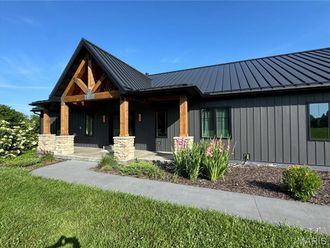 $1,099,900
2091 Frene Creek Road
Hermann, MO 65041
6 Beds • 3 Full/1 Partial Baths
$1,099,900
2091 Frene Creek Road
Hermann, MO 65041
6 Beds • 3 Full/1 Partial Baths
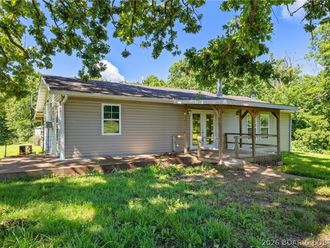 $150,000
702 Doc Ridgeway Drive
Macks Creek, MO 65786
2 Beds • 1 Full Baths
$150,000
702 Doc Ridgeway Drive
Macks Creek, MO 65786
2 Beds • 1 Full Baths