
5 Signs a Property Has Trophy Potential
What to Look for When Buying Hunting Land
Not every piece of ground is a "Trophy Property". Some tracts hold deer occasionally. Others produce mature bucks so consistently you start taking it for granted. The difference between the two isn't luck, and it isn't acreage — it's whether a property checks the right boxes. And if you're serious about being set up for this fall — food plots planted, stands hung, TSI and other habitat work done — the window to buy is coming up faster than most people realize. Summer prep starts very soon.
If you're evaluating land and asking yourself whether it has the bones to become a legitimate trophy producer, here's what you need to look for.
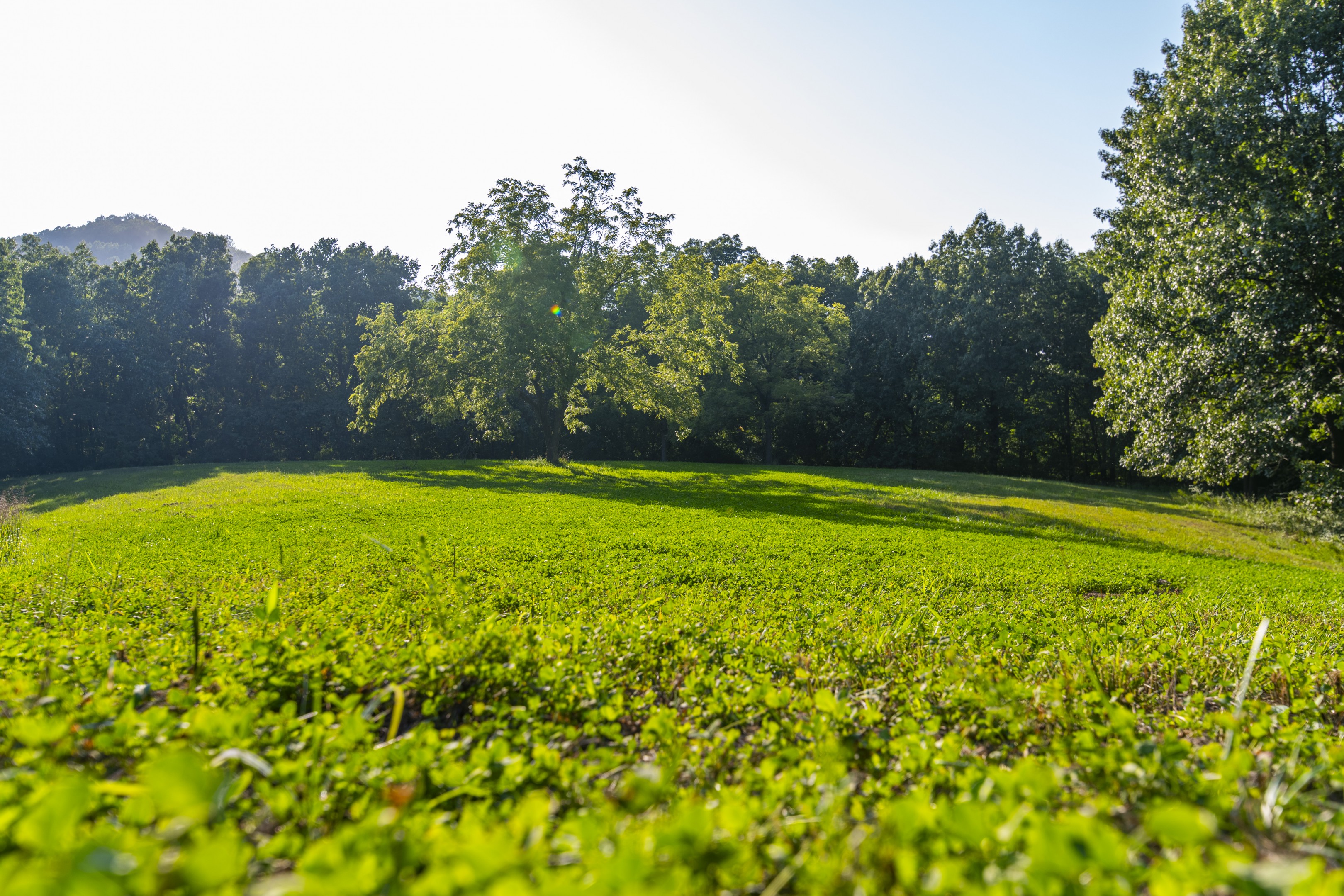
1. Diverse, Year-Round Food Sources
Whitetails are calorie-driven animals, and mature bucks are especially demanding. A property that relies on a single food plot or a neighbor's corn field isn't self-sufficient — it's just convenient until something better comes along.
While deer are always on the move, they are a creature of habit first. The key to creating a frequently used food source is making sure that not only is there enough food for the season, but that the deer feel safe while using these feeding locations.
The properties that hold deer consistently are the ones that keep them fed twelve months a year. That means a layered food system: hard mast from oak ridges, soft mast from persimmon and wild apple, agricultural ground for late-season carbohydrates, and edge habitat that produces natural browse from green-up through early fall.
When walking a property, ask a specific question: if every food plot on this farm went unplanted this season, where are the deer eating? If the answer points off the property, that's a problem worth taking seriously.
|
What to evaluate on a walkthrough: Identify mast-producing trees, edge transitions between timber and open ground, and areas suitable for food plot development. Properties with existing agricultural ground and the ability to layer in managed food sources have a significant advantage over single-source tracts. |
2. Thick, Secure Bedding Cover
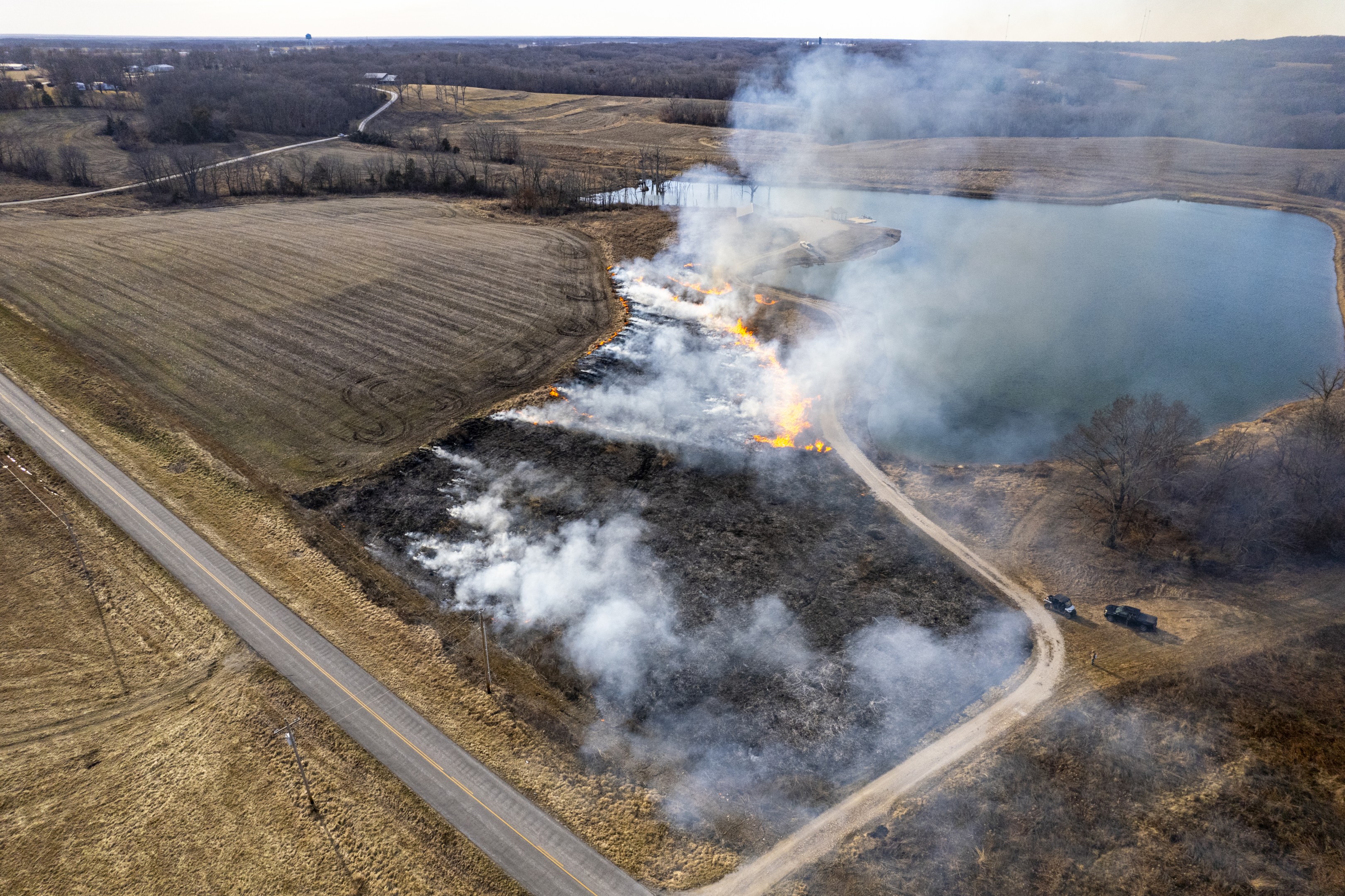
Mature bucks don't survive to maturity by accident. They seek shelter in dense, difficult terrain that offers both concealment and escape routes. If you can walk through the bedding cover without getting scratched up, it probably isn't doing the job.
The best bedding areas have thermal advantage built in. South-facing slopes retain warmth in cold early seasons; north-facing slopes stay cool when bucks are still in velvet. Multiple entry and exit routes allow bucks to leave quietly when pressure builds. Thick CRP, young regrowth timber, cedar thickets, and cattail marshes all check that box when they're located away from road traffic and human activity.
3. Reliable, On-Property Water
Water gets undervalued on almost every land evaluation. Buyers focus on food and cover — both important — and treat water as a secondary concern. That's a mistake, particularly during early season when temperatures are still high and bucks are burning through water faster than they can replace it.
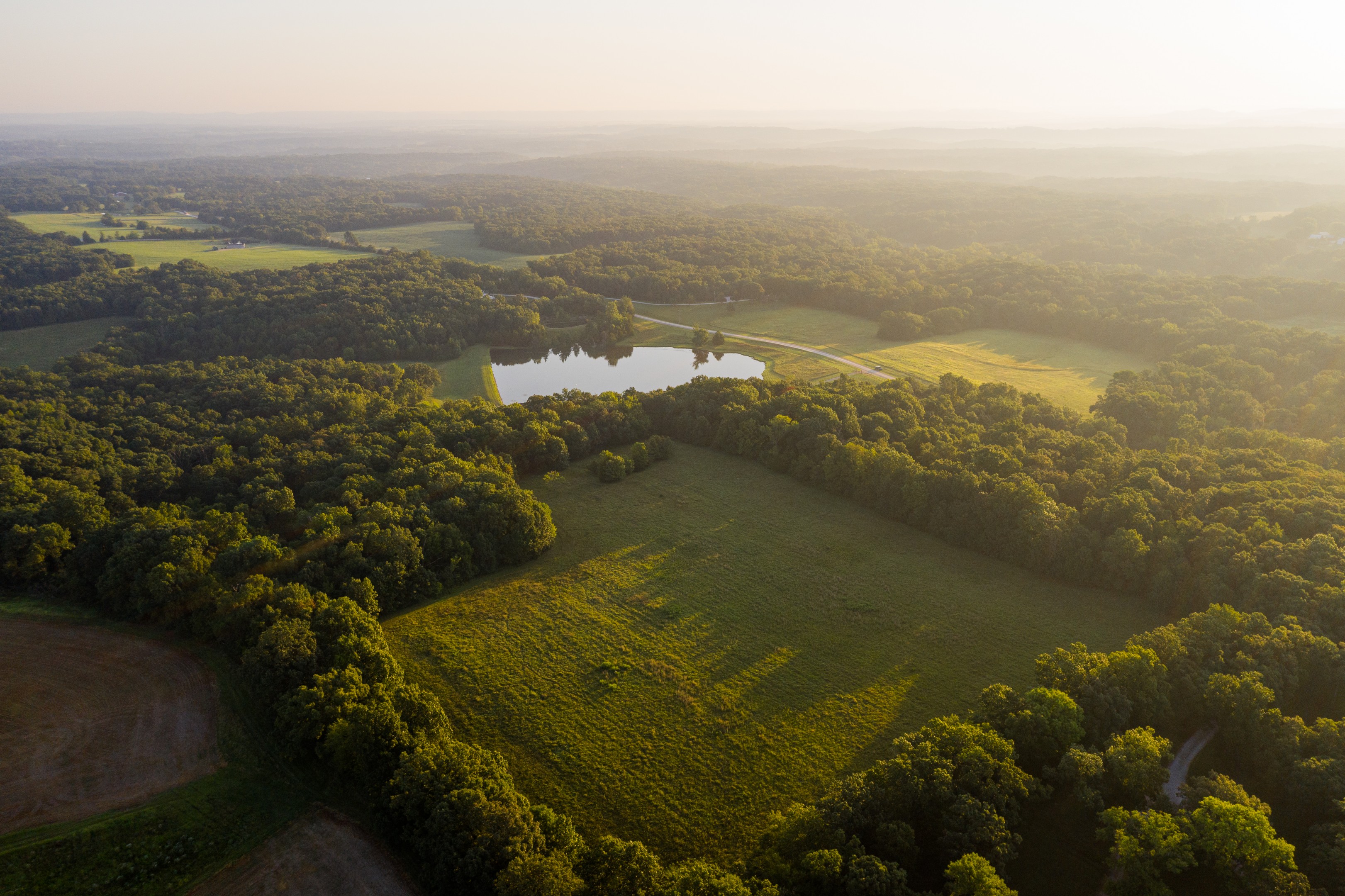
Properties with year-round creeks, natural springs, or well-placed ponds have a built-in advantage over dry tracts. Deer will travel to reliable water, and where they travel predictably, you can set up with confidence. A hidden waterhole in timber near a bedding area can be one of the most reliable early-season stand locations on the entire farm.
On properties without natural water, evaluate whether the terrain and soil allow for pond development. The ability to create a reliable water source is nearly as valuable as having one already.
4. Terrain Funnels That Concentrate Movement
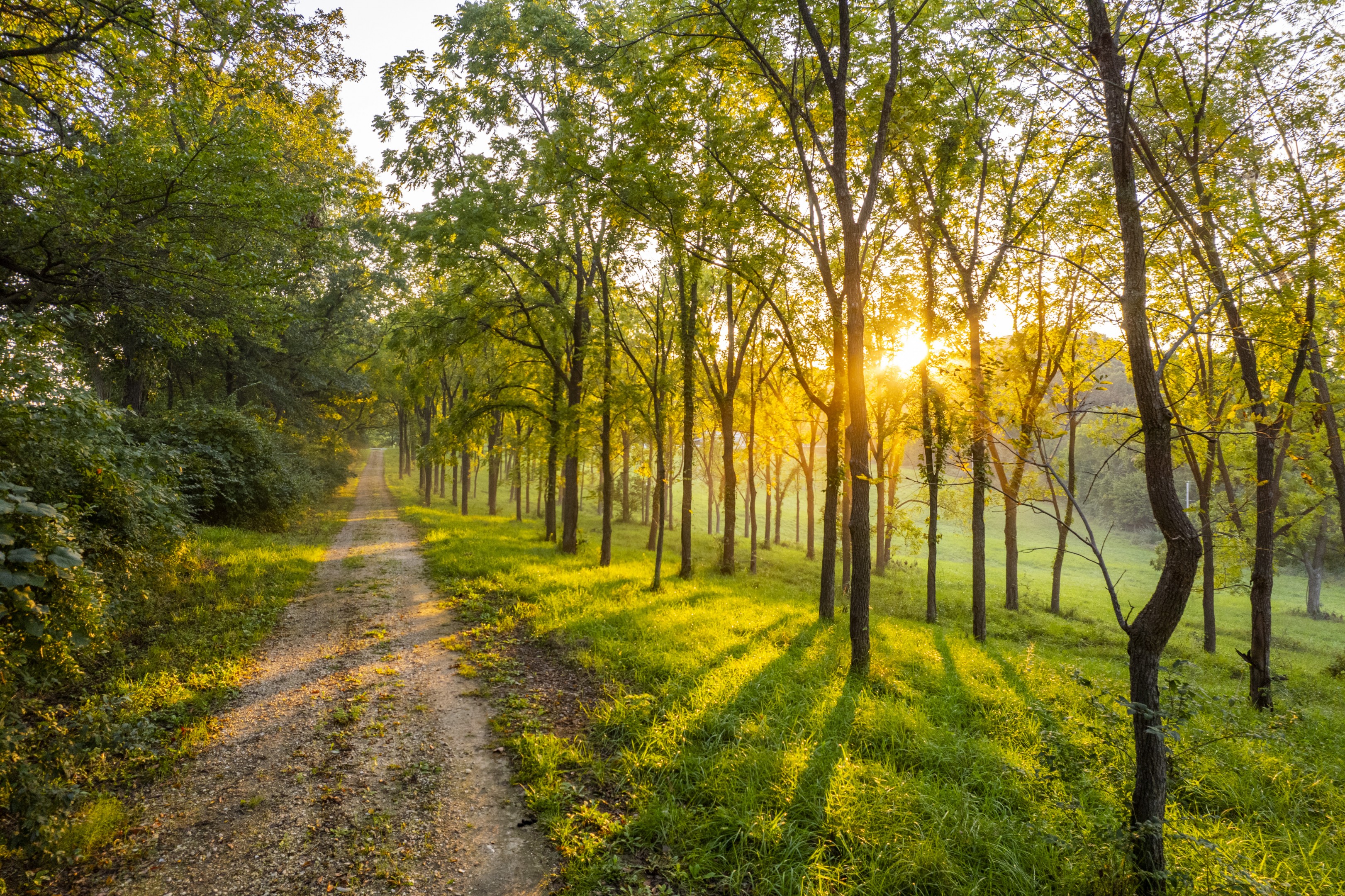
Topography is the silent architect of deer movement. Deer are like people - lazy. They travel efficiently, using terrain features to move between bedding and food while staying below skylines and out of open ground. The properties that consistently produce encounters are the ones where the terrain does the work for you.
Pull the property up on onX or Google Earth before you ever set foot on it. Look for saddles connecting two ridges, creek crossings with high banks on both sides, inside corners where timber fingers into agricultural fields, and narrow strips of cover connecting bedding areas to food. These are the pinch points where predictable movement happens.
The best terrain funnels work across multiple wind directions. A stand location that only works on a north wind is situational. A saddle crossing surrounded by thick cover with low-impact entry and exit is a place you can hunt confidently, multiple times, all season.
|
Pro tip: Map the terrain before the walkthrough, then verify on the ground. The pinch points that look obvious on a topo map are usually the right call — mature bucks have been using the same terrain features for generations. |
5. Manageable Neighboring Hunting Pressure
This one doesn't show up on any listing, and most buyers never think to look for it. But it might be the single most important factor when evaluating a property's ceiling for trophy deer production.
Generally, the fewer parcels that touch your property, the better. A great tract surrounded by neighbors who operate on "if it's brown, it's down" is a difficult situation to overcome. You can manage your ground perfectly, run top-shelf habitat, and hold deer through late season, but if mature bucks are dying on all four sides of your fence, you're not growing a trophy herd.
The Bottom Line
Not every property can be a trophy property, but if you work with an expert and have a plan, it can be found and developed. Properties that check all five of these boxes are genuinely rare, which is exactly why serious buyers move on them fast and rarely discount them.
- Diverse, year-round food sources
- Thick, isolated bedding cover
- Reliable on-property water
- Terrain funnels and pinch points
- Manageable neighboring pressure
If you know what you're looking at, you can identify these properties before the market catches up.
If you're evaluating land and want an honest, experienced read on its wildlife potential, reach out. We can help you find that turnkey trophy property, or help you find a project that in a few years can be your dream hunting setup. Contact us today!
 RSS Feed